
Skip to content

Our Blog

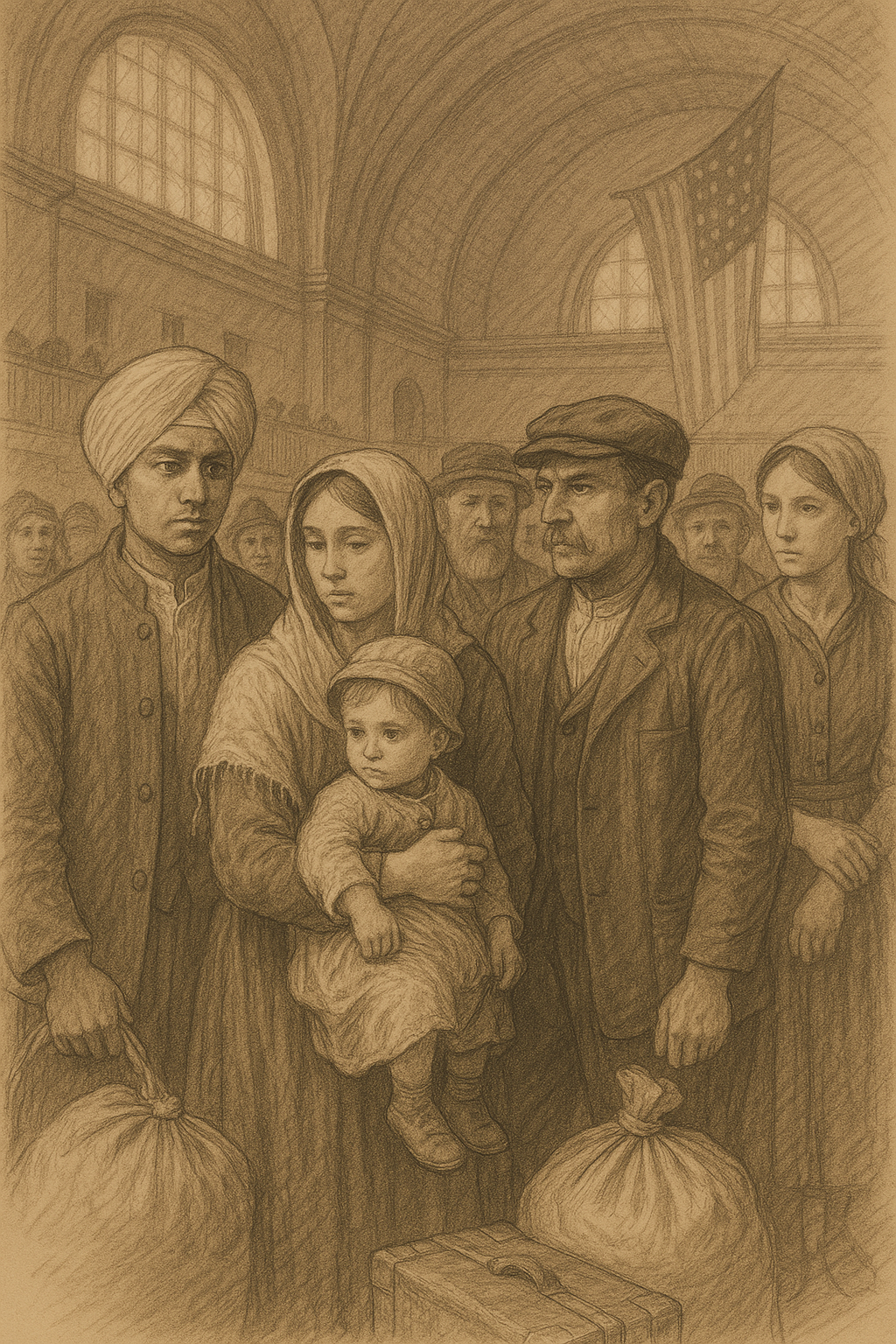
The Immigrant Experience: What Happened on Ellis Island

To appreciate Ellis Island’s role in family history, genealogists must understand what immigrants actually experienced upon arrival. The journey was not just symbolic—it was a carefully structured process that determined whether someone could enter the United States or be sent back.

Read More »

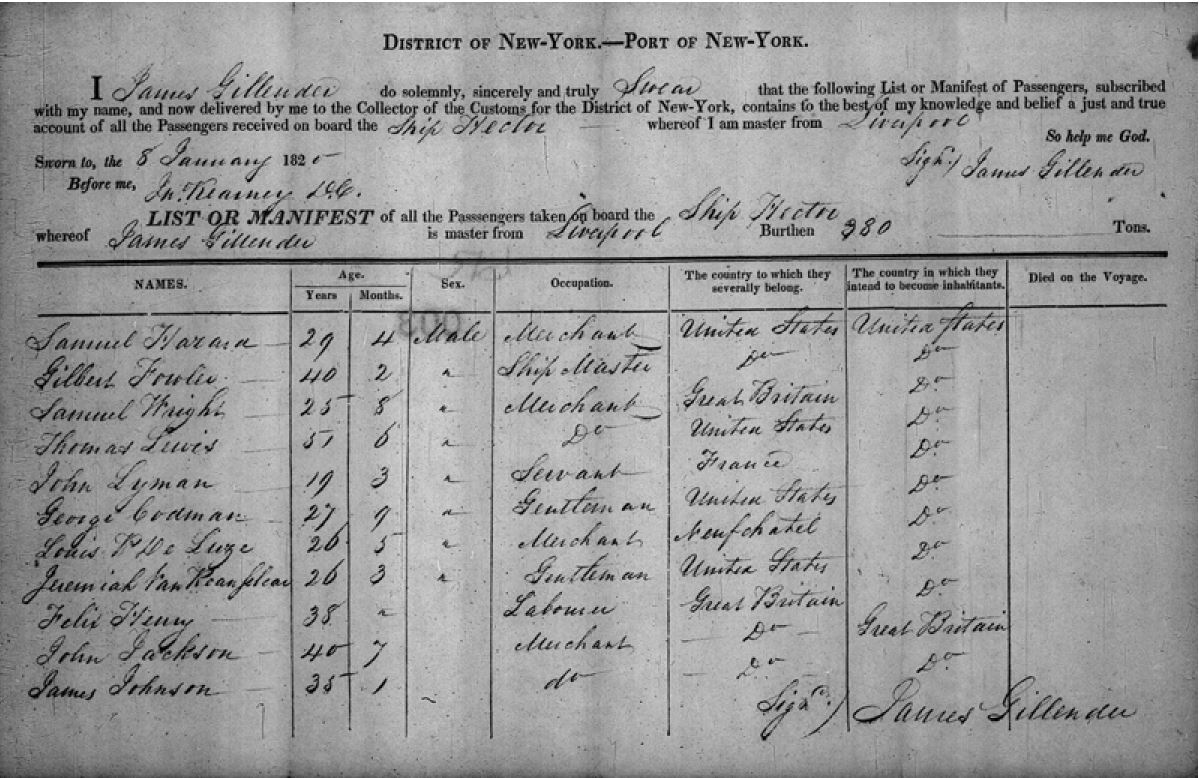
Ellis Island Records Beyond Passenger Lists

While passenger manifests are central, Ellis Island generated other records that genealogists should not overlook. These additional sources often reveal details about immigrants who faced challenges during the entry process.

Read More »

The Myth and Reality of Ellis Island Name Changes

One of the most enduring myths about Ellis Island is that officials changed immigrants’ names upon arrival. Generations of families have explained altered surnames or Anglicized spellings by saying “it was changed at Ellis Island.” But the reality is far more nuanced—and understanding it is vital for genealogists.

Read More »

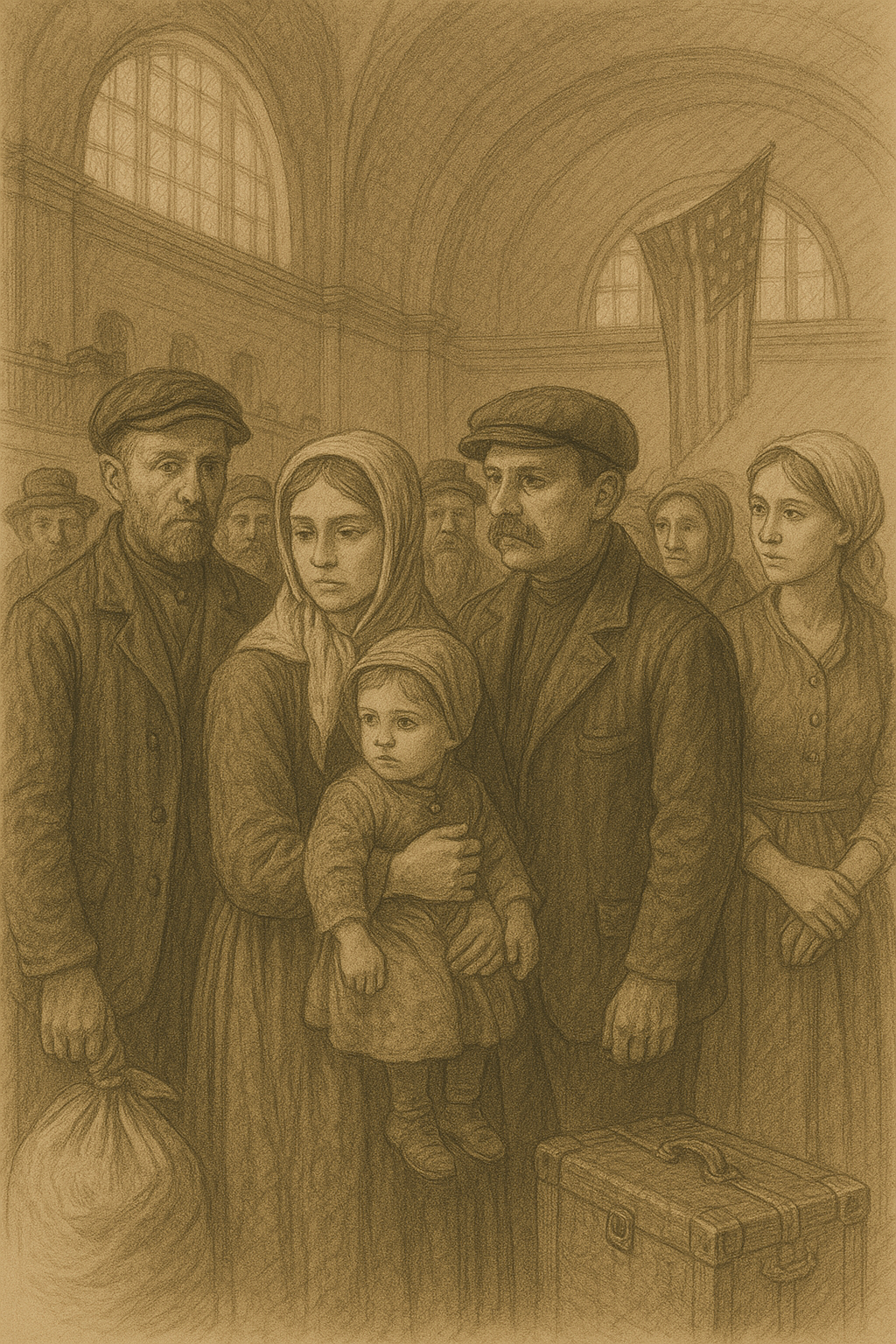
The Diversity of Immigrants: Who Came Through Ellis Island

Ellis Island processed immigrants from around the world, though the majority came from Europe. Between 1892 and the 1920s, the island witnessed massive waves of arrivals that reshaped the cultural fabric of the United States. For genealogists, knowing these migration patterns is key to contextualizing family histories.

Read More »

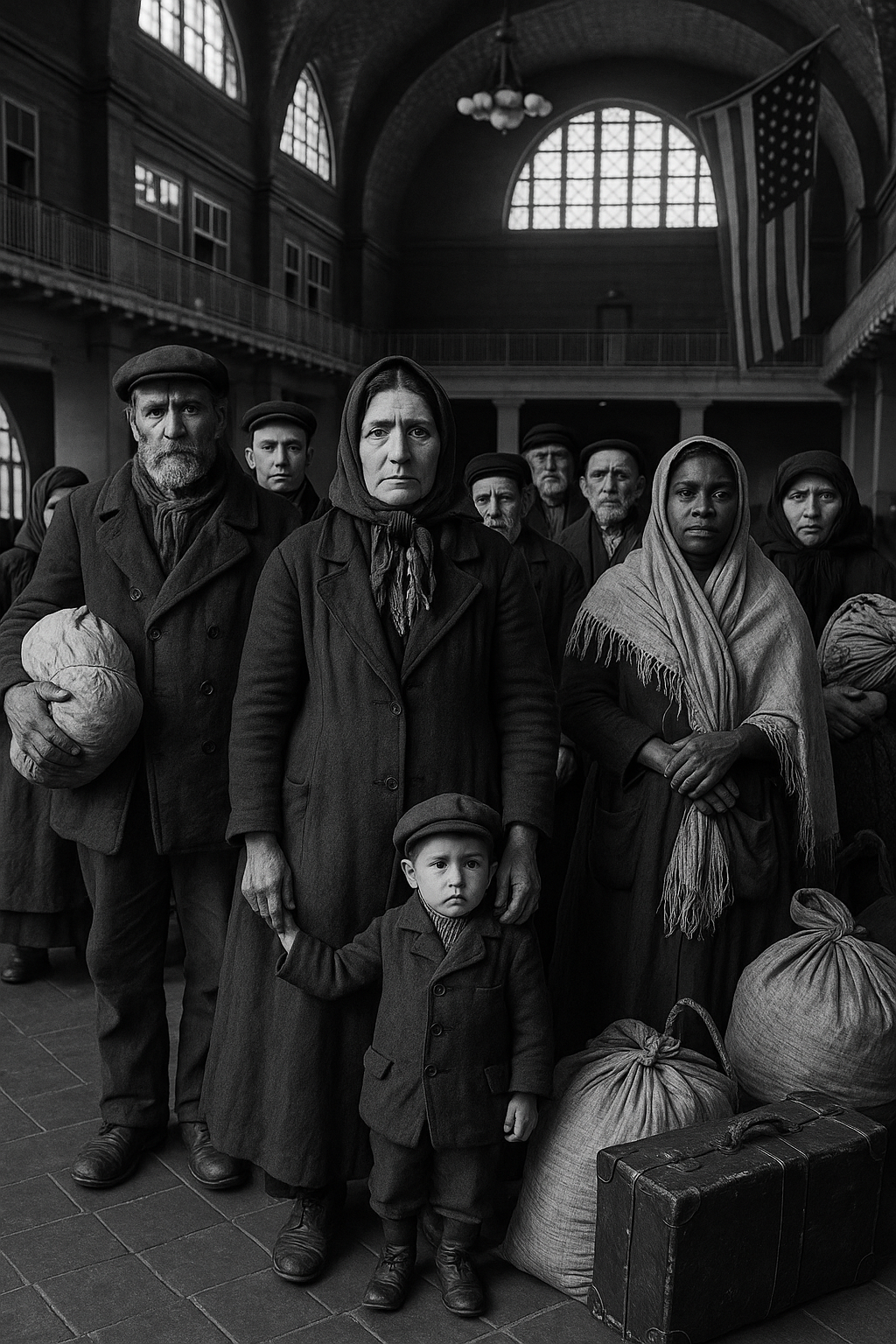
Ellis Island in Context: America’s Immigration Gateway

Between 1892 and 1954, Ellis Island processed more than 12 million immigrants who entered the United States through New York Harbor. For millions of descendants today, Ellis Island is synonymous with the immigrant journey. To genealogists, it represents both a treasure trove of records and a powerful symbol of family heritage.

Read More »

AI assisted in generating draft content. Every paragraph was reviewed, edited, and refined by a real-life-human.