Strategies for Surviving Burned County Research
Burned counties are daunting, but with the right strategies you can still reconstruct family histories. The key is to think creatively and cast a wide
Burned counties are daunting, but with the right strategies you can still reconstruct family histories. The key is to think creatively and cast a wide
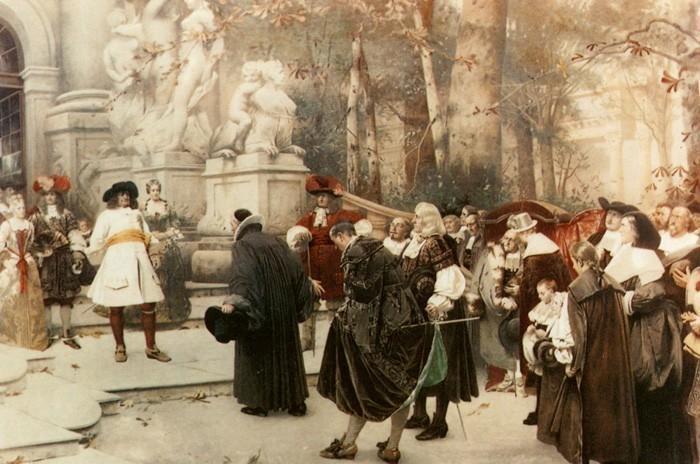
The Huguenots were French Protestants who followed the teachings of John Calvin during the sixteenth and seventeenth centuries. Their story is one of faith, resilience,
Fantastic Volunteer OpportunityDo you enjoy sharing your genealogy know how with others?Are you experienced using Ancestry? Fold3?Do you know the ins & outs of FamilySearch?Do
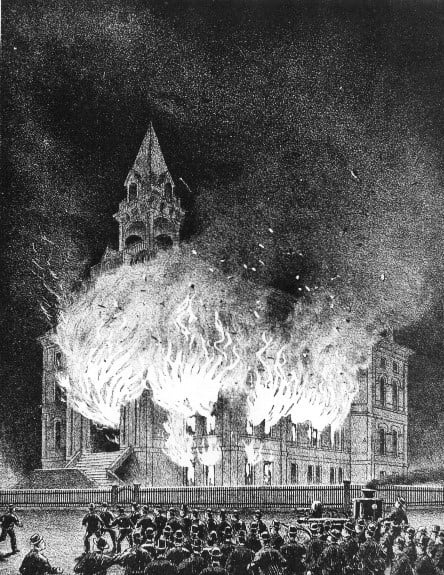
Research in burned counties often feels like piecing together a puzzle with missing pieces. The trick is to make fragments work together. Synthesize multiple fragmentsYou
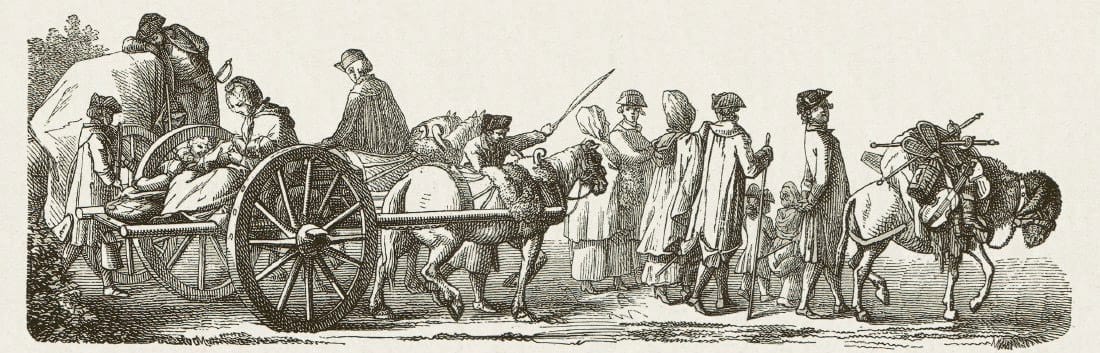
The Huguenot presence in colonial America was significant, though often overlooked. Beginning in the late seventeenth century, waves of French Protestants settled in the New
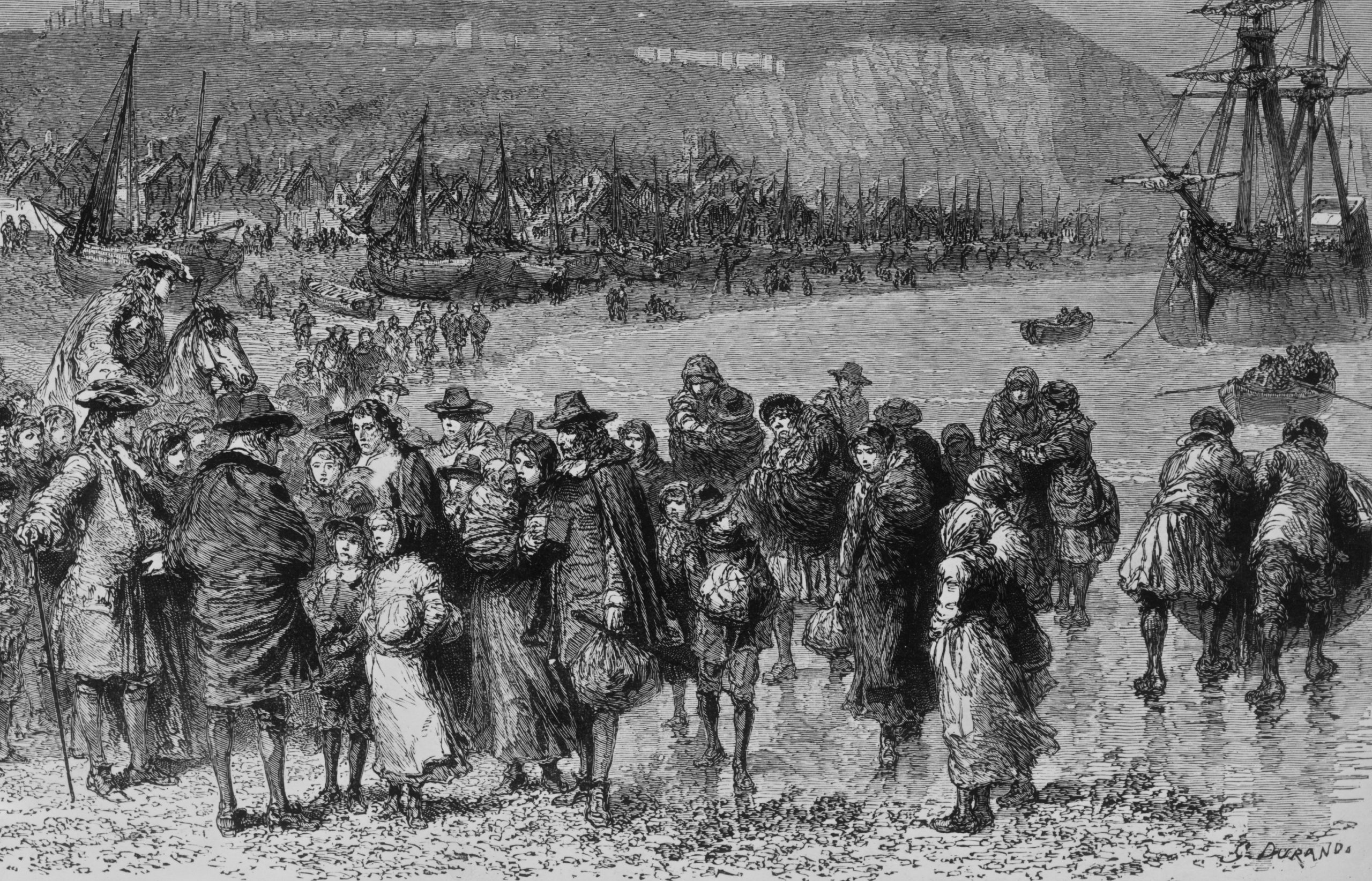
Huguenot research requires a mix of published works, archival sources, and society records. Fortunately, many resources exist that bring together dispersed records. The Huguenot Society

You can’t replace what you can’t name. Start by mapping the expected records for your time and place—then locate duplicates, summaries, and echoes stored elsewhere.
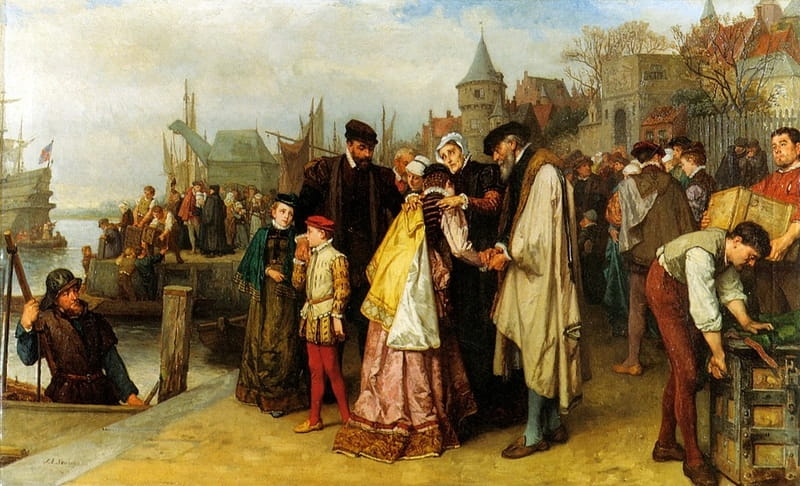
Researching Huguenot ancestors requires strategies that account for both the destruction of records in France and the dispersal of communities across many countries. Genealogists must

Genealogy doesn’t have to be an expensive hobby. While there are many excellent paid sites out there, some of the very best resources for discovering
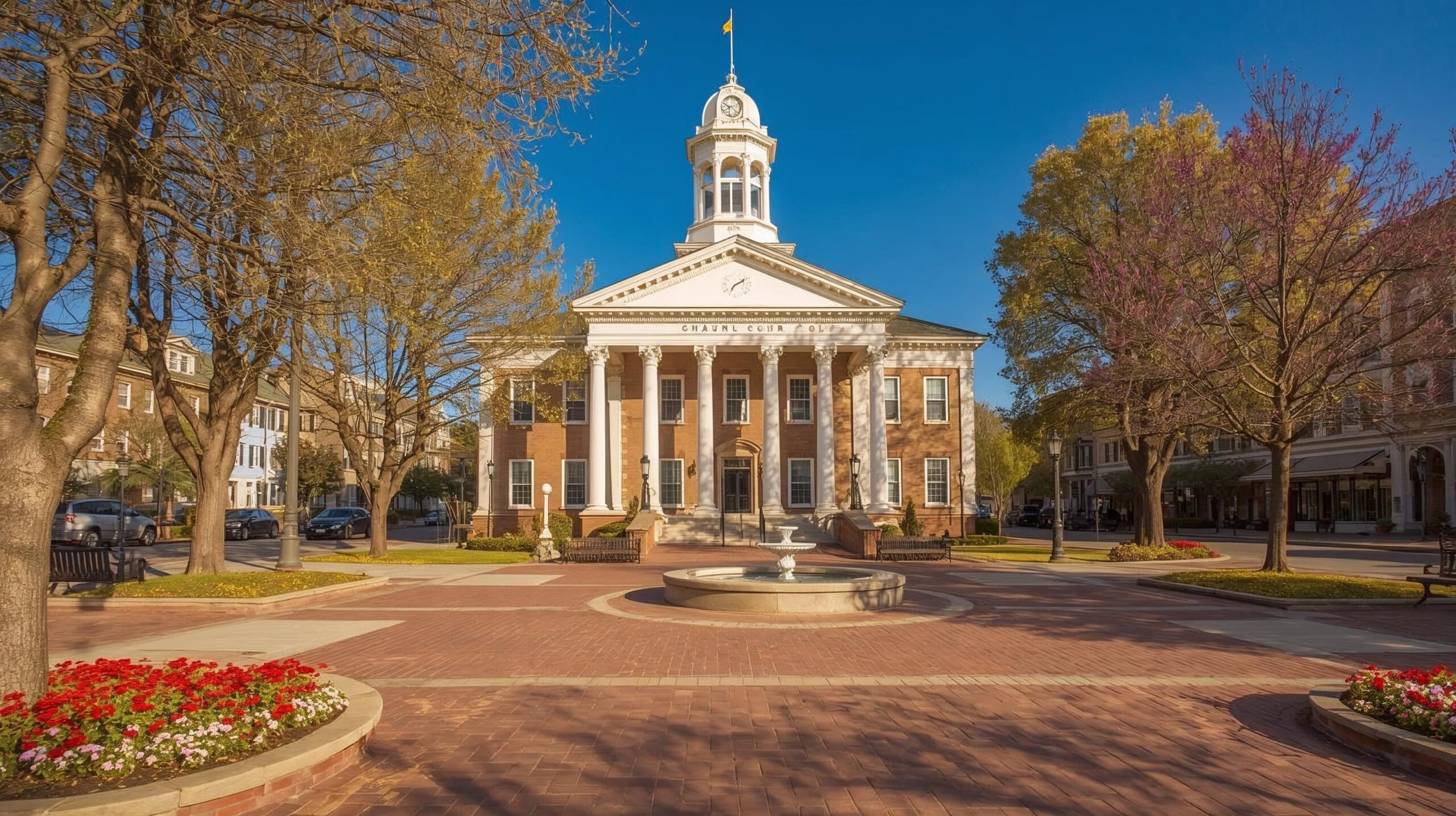
Courthouse records may be gone, but genealogists still have a wealth of alternative sources to draw upon. Church and cemetery recordsChurches often kept registers of