Part III: Tips for Success and Long-Term Strategy
Researching at NARA can be overwhelming, but with planning it becomes one of the richest experiences in genealogy. Practical Tips Beyond One Visit Closing Thought
Researching at NARA can be overwhelming, but with planning it becomes one of the richest experiences in genealogy. Practical Tips Beyond One Visit Closing Thought
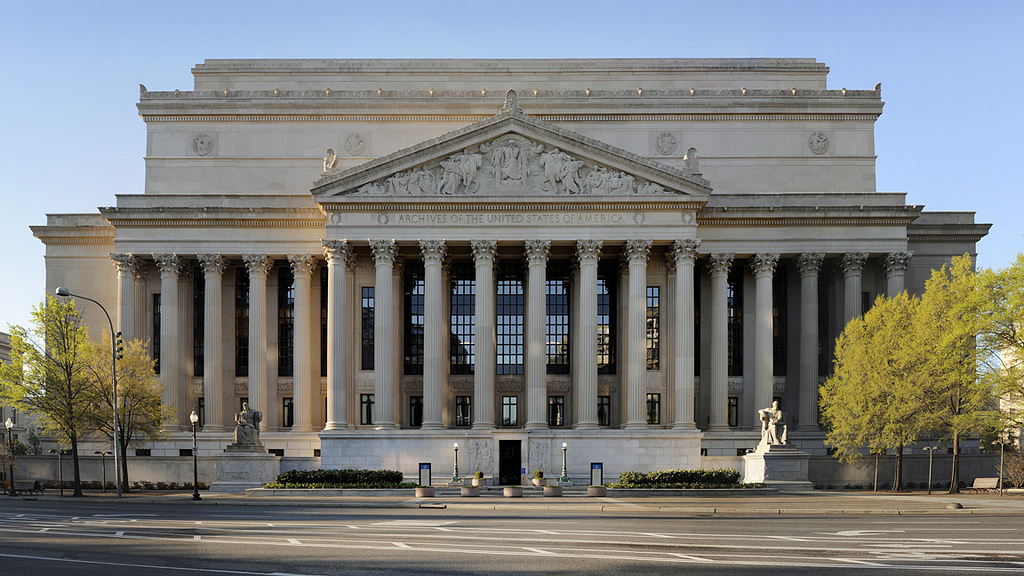
While digital access is growing, much of NARA’s collection is still only available onsite. Researchers can visit facilities across the U.S., including the main archives
The National Archives and Records Administration (NARA) is the nation’s largest repository of federal records, holding millions of documents that tell America’s story. For genealogists,
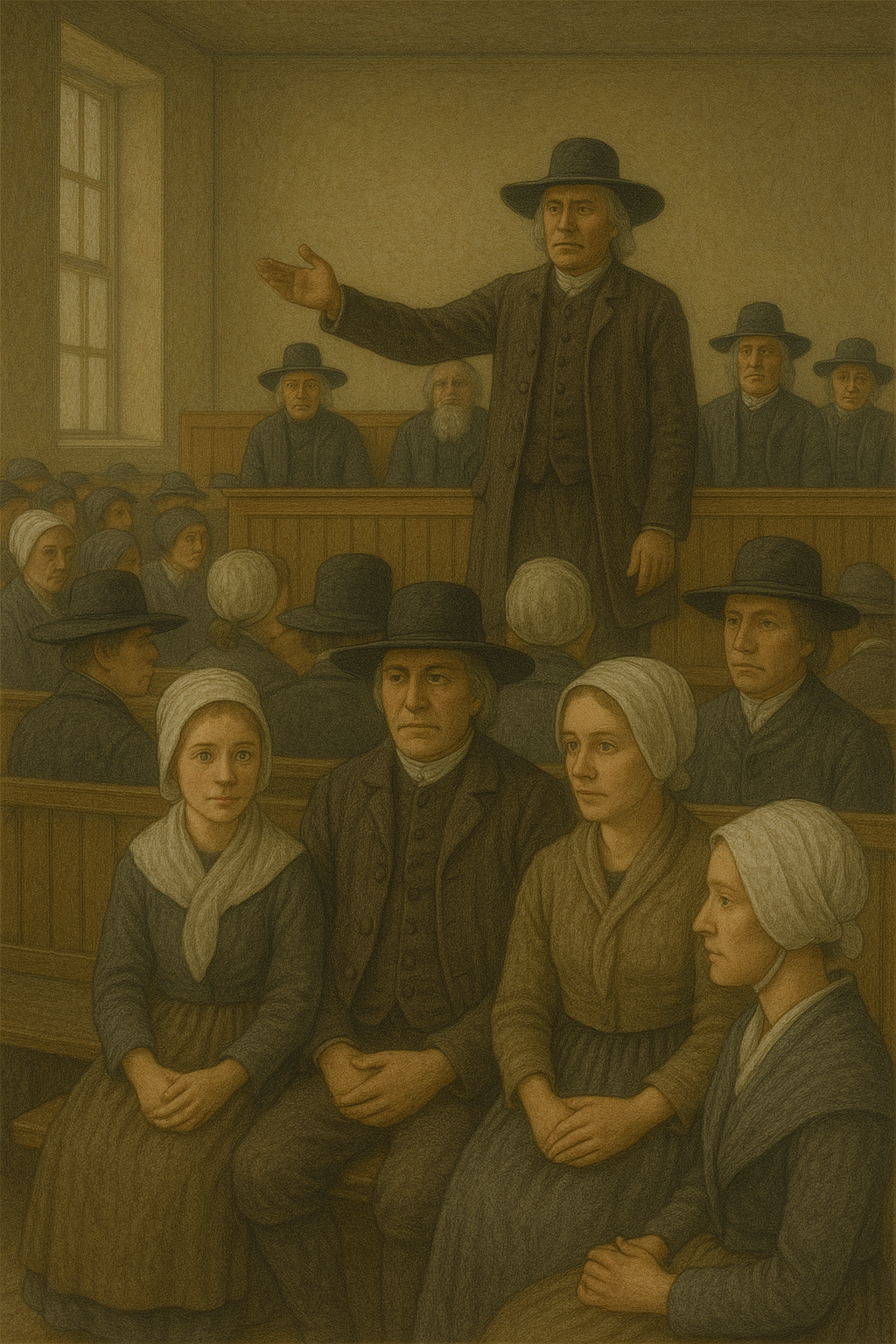
By the early 1700s, Quaker communities in New England had matured. Persecution waned, and the Society of Friends organized its meetings more systematically. The core
Record loss narrows paths—but it doesn’t end the journey. Use substitutes and disciplined method to rebuild proof. A. Start with a location-anchored research questionFrame the
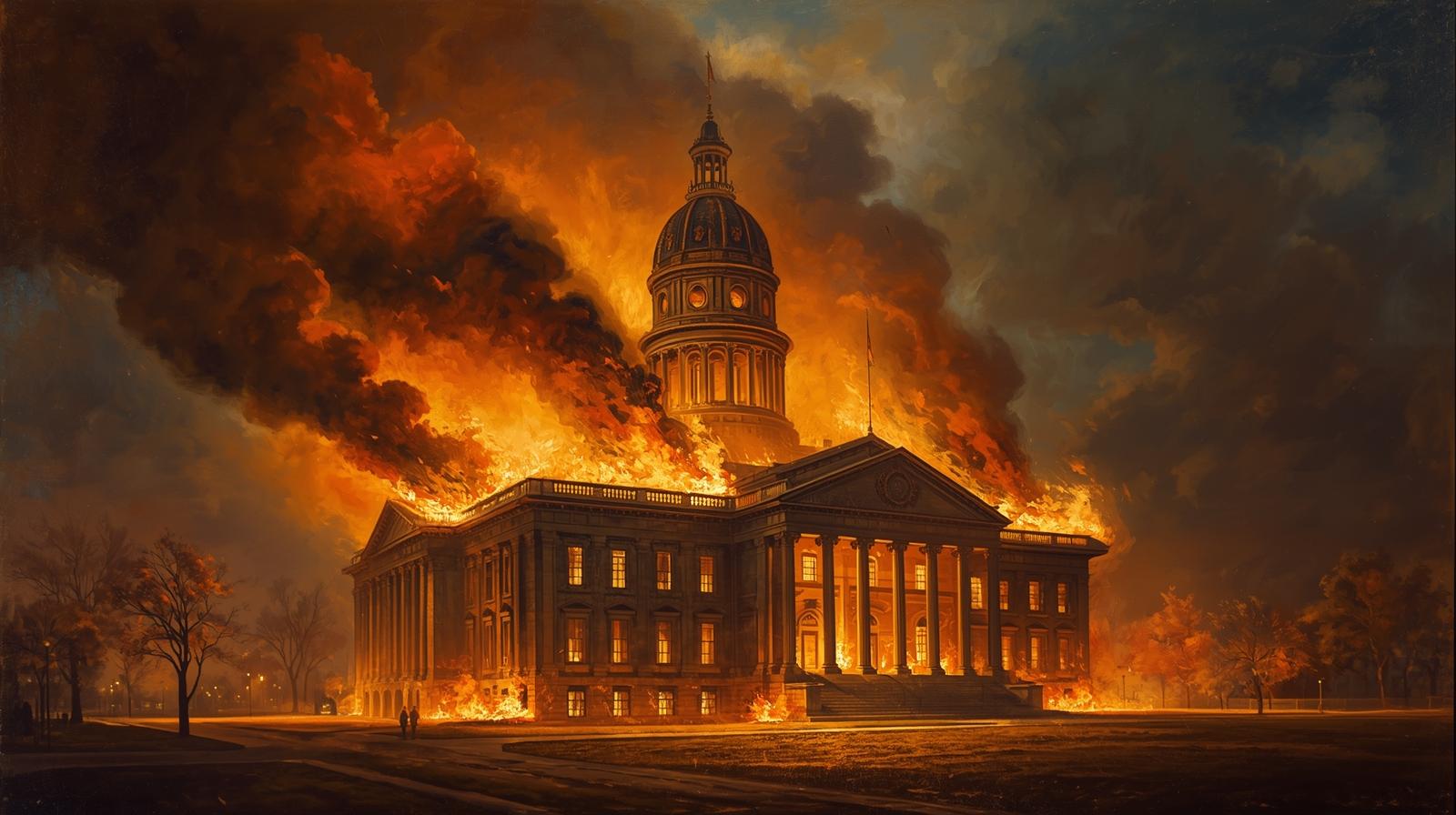
Few phrases chill a researcher like “burned county.” But understanding what burned county really means—and how record loss occurred—turns dread into a plan. What is

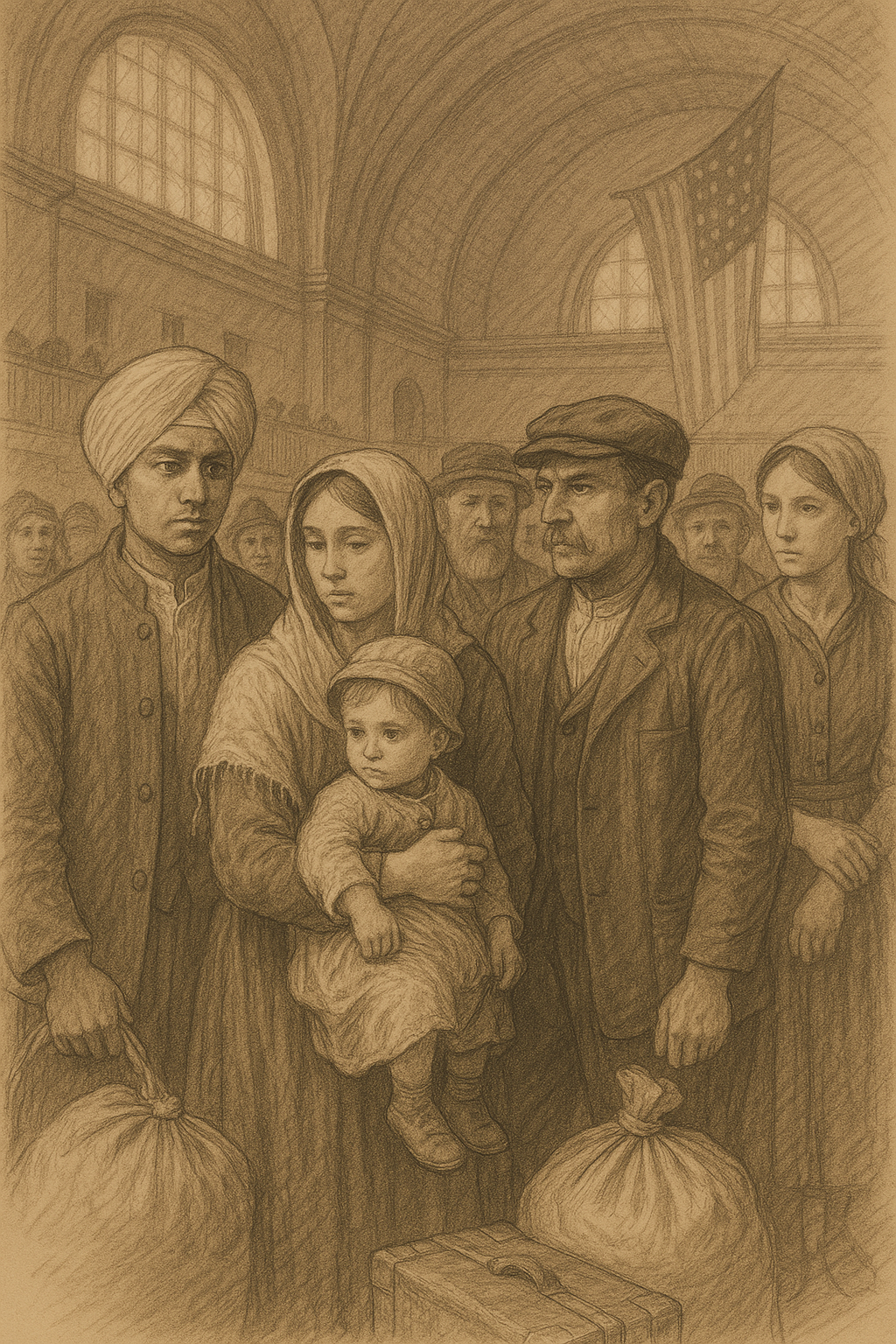
To appreciate Ellis Island’s role in family history, genealogists must understand what immigrants actually experienced upon arrival. The journey was not just symbolic—it was a carefully structured process that determined whether someone could enter the United States or be sent back.
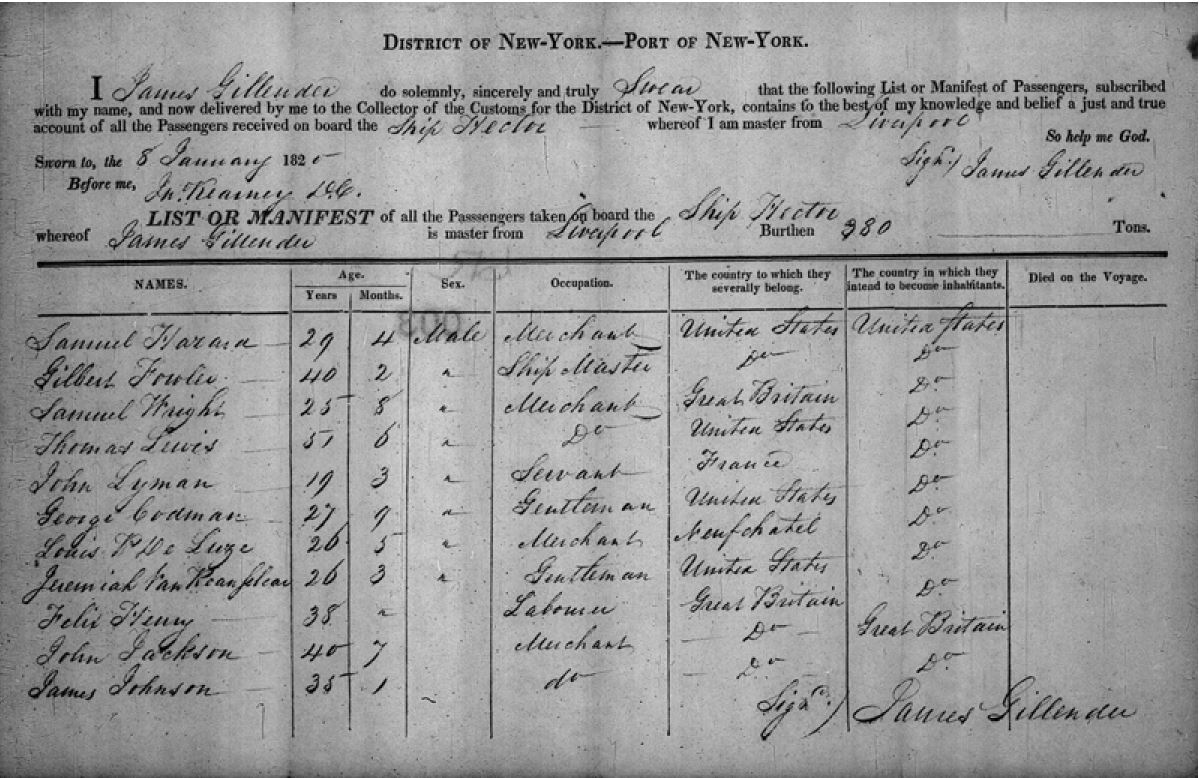
For genealogists, the passenger manifest is the single most important record from Ellis Island. These documents, created by shipping companies and verified by inspectors, preserve crucial details about immigrant ancestors.
While passenger manifests are central, Ellis Island generated other records that genealogists should not overlook. These additional sources often reveal details about immigrants who faced challenges during the entry process.
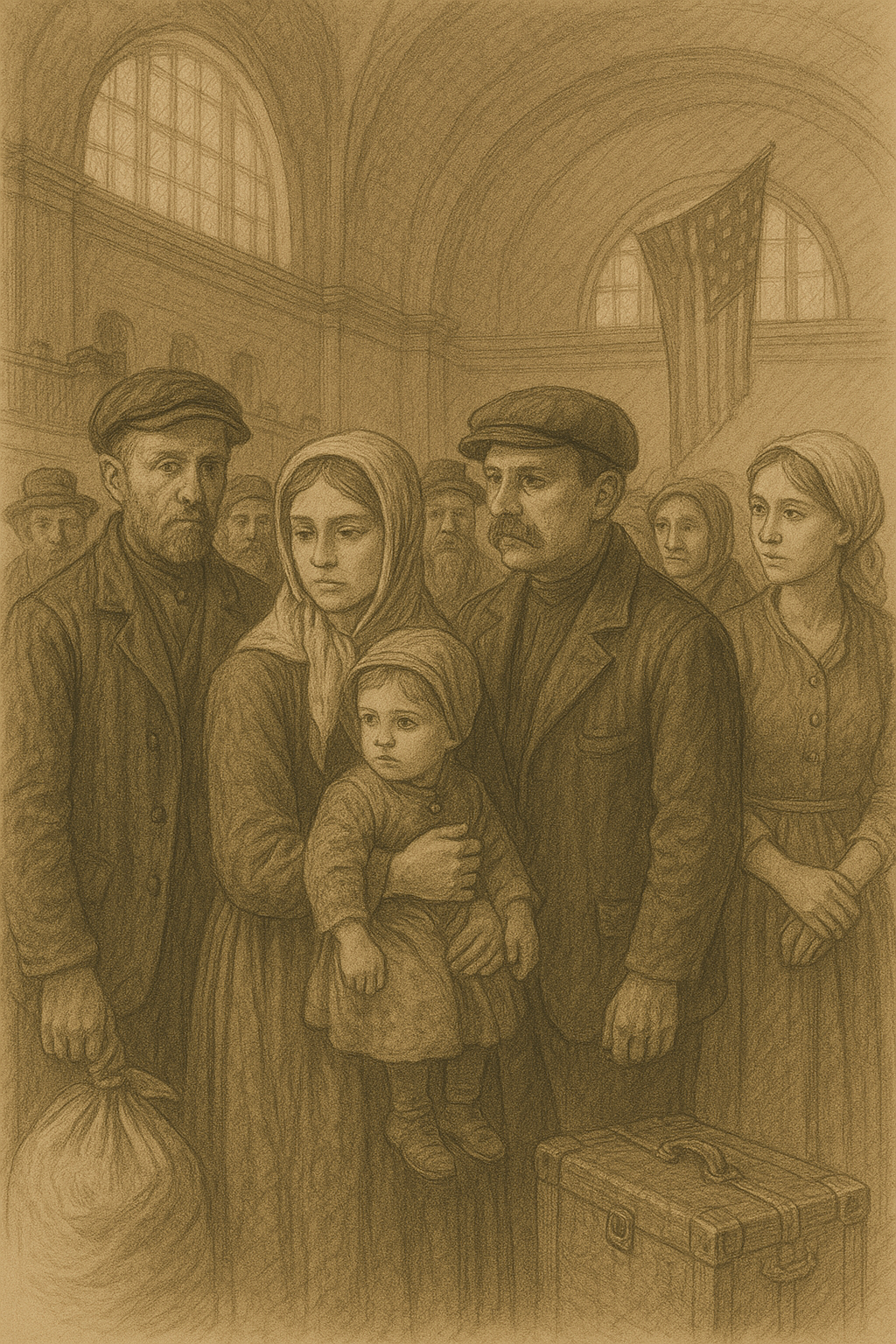
One of the most enduring myths about Ellis Island is that officials changed immigrants’ names upon arrival. Generations of families have explained altered surnames or Anglicized spellings by saying “it was changed at Ellis Island.” But the reality is far more nuanced—and understanding it is vital for genealogists.