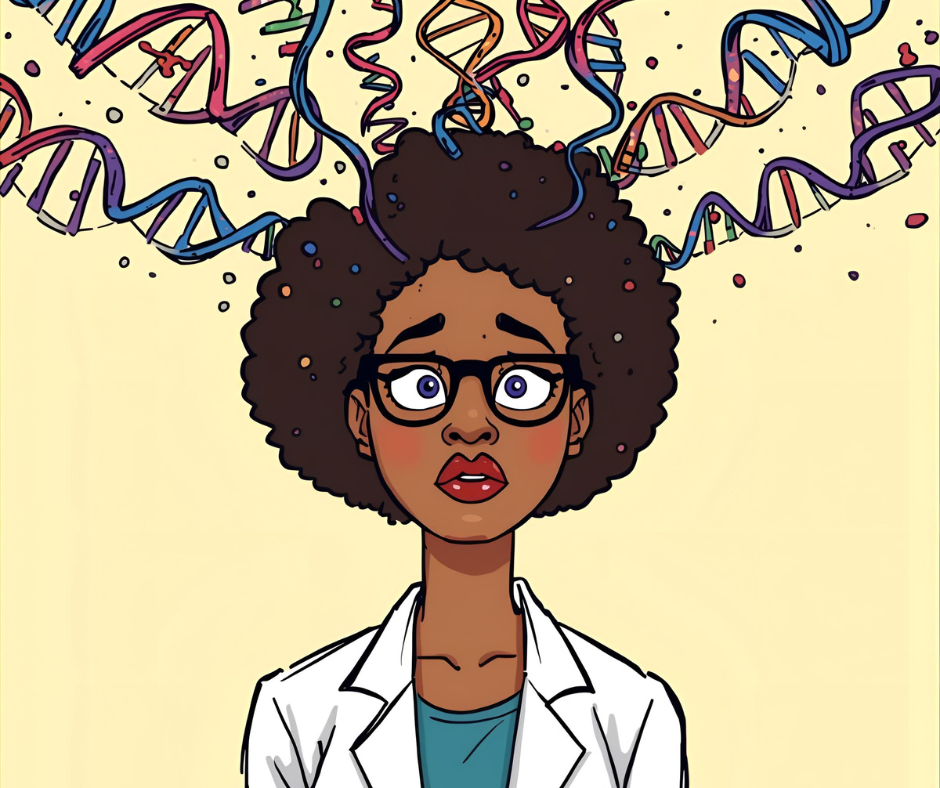
The world of DNA testing can seem overwhelming at first—scientific jargon, confusing charts, and colorful ethnicity maps. But don’t worry! You don’t need a biology degree to use DNA as a tool in your family history research. This simple guide will help you understand the basics and get started with confidence.
Step 1: What DNA Testing Can Do (and Can’t Do)
DNA tests are powerful for genealogy, but they don’t solve every mystery. Here’s what they can do:
- Identify relatives you may not know about.
- Confirm relationships (for example, proving that two people share the same grandparents).
- Break down brick walls in your research when paper records run out.
- Reveal ethnic origins based on inherited DNA.
But remember: DNA cannot tell you the name of your 5th-great-grandparent or deliver a ready-made family tree. It’s a tool, not a magic wand.
Step 2: The Three Main Types of DNA Tests
There are three primary kinds of DNA tests available for genealogy:
- Autosomal DNA (atDNA)
- The most common test (sold by AncestryDNA, 23andMe, MyHeritage, FamilyTreeDNA).
- Looks at DNA inherited from both parents.
- Useful for finding cousins within about 5–6 generations.
- Mitochondrial DNA (mtDNA)
- Passed down from mother to child.
- Traces your direct maternal line (mother → grandmother → great-grandmother, and so on).
- Y-DNA
- Passed only from father to son.
- Traces your direct paternal line (father → grandfather → great-grandfather).
- Only available to males, but females can test a brother or male cousin.
Step 3: Choosing a Testing Company
Each testing service has strengths:
- AncestryDNA: Largest database of testers—great for cousin matches.
- 23andMe: Strong in health + ancestry insights.
- MyHeritage DNA: Good international reach and cousin matching tools.
- FamilyTreeDNA (FTDNA): Offers Y-DNA and mtDNA tests for deep line tracing.
Tip: The bigger the database, the more likely you are to find useful matches.
Step 4: Making Sense of Results
When your results arrive, you’ll see:
- Ethnicity estimate: Fun, but not always precise.
- DNA matches: The real goldmine—living relatives who share DNA with you.
Start by contacting close matches and comparing family trees. Collaboration often leads to breakthroughs.
Step 5: Keep It Ethical
Remember, DNA can reveal surprises—unknown siblings, misattributed parentage, or family secrets. Always approach discoveries with sensitivity, respect privacy, and ask permission before sharing another person’s results.
DNA doesn’t replace traditional genealogy—it complements it. Think of DNA as a flashlight: it shines light into hidden corners of your family history, but you still have to walk into the room and explore the details with documents and research.
So, if you’ve been hesitant, don’t be! Order a test, learn the basics, and see where your genetic trail leads. You might just discover new branches on your family tree that you never imagined.