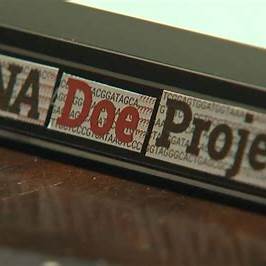
First established in 2017 by Colleen M. Fitzpatrick and Margaret Press, the DNA Doe Project is a volunteer-led nonprofit headquartered in Sebastopol, California, devoted to identifying John and Jane Does—individuals whose identities were lost after death—through the innovative field of investigative genetic genealogy (IGG)
Fitzpatrick, a former NASA and Department of Defense physicist, previously founded IdentiFinders and pioneered DNA-based forensic identification. Press, a novel writer and former technologist, began helping adoptees and genealogical enthusiasts find relatives using DNA and family records. Together, they leveraged their experience to create DDP, applying genealogical tools to aid in resolving cold cases of unidentified remains
How It Works: From DNA to Name
DDP’s process typically unfolds in several key steps:
- Accepting cases referred by law enforcement or medical examiners.
- Extracting DNA—even from degraded remains—and sequencing it to create a usable SNP profile.
- Uploading that profile to public genealogy platforms like GEDmatch, FamilyTreeDNA, and DNA Justice.
- Using genealogical matching, family tree-building, and traditional records to narrow down possible identities.
- Providing a potential match to law enforcement, which then confirms identity via fingerprints or direct DNA comparison with relatives Reddit+11Wikipedia+11dnadoeproject.org+11Forensic Magazine+1.
Because DDP only handles unidentified remains (not ongoing missing-person cases), their work often reconnects lost souls with grieving families—sometimes after decades
From Case Files to Closure: Landmark Identifications
Since its founding, DDP has cracked a remarkable number of high-profile and emotionally poignant identifications:
- Buckskin Girl (1981, Ohio)—the first DDP success, identifying Marcia Lenore Sossoman, found using heavily degraded DNA preserved for 37 years dnadoeproject.org+1Wikipedia.
- Lyle Stevik, a mysterious alias from a 2001 Washington case, was identified through community crowdfunding and extensive genealogical research Wikipedia.
- Identifications including Shirley Soosay (First Nations ancestry), Joseph Henry Loveless (an early 20th-century outlaw), Mary Silvani, Pamela Leigh Walton (“Julie Doe”), and multiple victims of serial killers like John Wayne Gacy and Larry Eyler showcase the range of DDP’s impact Wikipedia.
Facing Challenges: Technical, Cultural, and Ethical
The work isn’t without hurdles—DNA often comes in minuscule or degraded quantities, and complex family structures (like adoptions or endogamy) can complicate genealogical reconstruction. Ethnic groups with limited representation in genetic databases—such as Native American, African American, Hispanic, or recent immigrants—add further challenges Wikipedia.
Transparency & Training: A Community Approach
Unlike secretive models, the DNA Doe Project actively cultivates learning and transparency. They offer an IGG Education program, including remote practicums and internships, to train aspiring genetic genealogists in ethical, rigorous methods for solving real Doe cases 12 News+12dnadoeproject.org+12dnadoeproject.org+12.
DDP also featured in the “Naming the Dead” docuseries by National Geographic, bringing broader awareness to their mission and the human stories behind the cases dnadoeproject.org+2dnadoeproject.org+2.
Why It Matters
- Personal closure: DDP’s work restores names to individuals who were once forgotten—bringing solace and resolution to families.
- Professional innovation: They’ve set a new standard in forensic genealogy, merging DNA science with genealogical methodology.
- Ethical discourse: Their approach sparks essential conversations about privacy, consent, and the responsible use of genetic data in non-law-enforcement settings.
Your Role as Genealogy Enthusiasts
The project’s success underscores how every DNA profile matters. The DDP encourages people who’ve taken direct-to-consumer DNA tests to upload their results (anonymously, if desired) and family trees to GEDmatch, DNA Justice, and FTDNA—potentially becoming the critical link to identifying an unnamed decedent FOX 10 Phoenix+1Forensic Magazine+1.
Summary Table
| Topic | Highlight |
|---|---|
| Mission | Identify unnamed remains using genetic genealogy |
| Founders | Colleen M. Fitzpatrick & Margaret Press (2017) |
| Method | DNA extraction → sequencing → genealogy → law enforcement confirmation |
| Impact | High-profile identifications across diverse demographics |
| Challenges | Degraded DNA, complex families, limited database representation |
| Education & Outreach | IGG training, docuseries “Naming the Dead” |
| Community Role | DNA uploads and trees help solve cases—your data could make a difference |
| DNA Doe Project, DNA Doe Project, online: https://dnadoeproject.org/ (last visited Sept. 11, 2025) |