
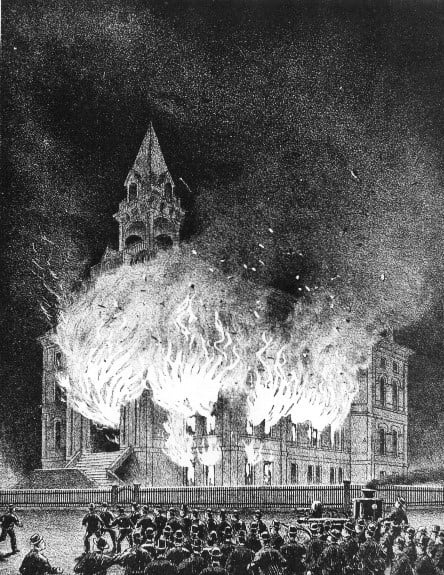
Research in burned counties often feels like piecing together a puzzle with missing pieces. The trick is to make fragments work together.
Synthesize multiple fragments
You might find only a census tick mark, one probate notice in a newspaper, and a neighbor’s deed referencing your ancestor. Alone, they are small. Together, they prove presence, relationships, and property.
Exploit legal processes
Road orders, stray books, tavern and ferry licenses, and guardianship petitions are often overlooked. Yet they can fix a person in time and place, name relatives, and provide signatures or marks.
Use land reconstruction
Even if your ancestor’s deeds are lost, surviving deeds of neighbors often reference adjoining land. By mapping tracts, you can rebuild communities and prove where families lived. Platting software or graph paper can bring neighborhoods back to life.
Document negative searches
In burned county work, it’s crucial to record what you don’t find. If you checked every deed index from 1840–1870 with no result, say so. Negative evidence demonstrates thoroughness and can rule out mistaken identities.
Apply the Genealogical Proof Standard
Correlate every fragment, resolve conflicts, and explain reasoning in writing. Your research summary becomes the new “record” standing in for what was destroyed.
References
- Family Locket. “Forensic Genealogy: Burned Counties, Same-Name Individuals, and More Tidbits from the BYU Family History & Genealogy Conference.” https://familylocket.com/forensic-genealogy-burned-counties-same-name-individuals-and-more-tidbits-from-the-byufhgc/
- “5 Steps to Genealogy Research in Burned Counties.” Family Tree Magazine. https://familytreemagazine.com/records/courthouse/doing-genealogy-in-burned-counties/
- “Researching the Burned Counties.” Trace Your Past. https://www.traceyourpast.com/articles/researching-the-burned-counties